
B2B Casino Platform: Automated Slots, APIs, and Integrations
B2B Casino Platform: How Automated Slot Site Infrastructure Works
I built one B2B casino platform stack and it worked fast once I split CMS, wallet, and slot site platform delivery. The key is 99.9% uptime, enforced via automated monitoring plus failover. RNG logs, game API integration, and partner provisioning run in parallel, not chained.
B2B Casino Games Aggregation for Partners (Slot, Table, and Live)
- Use one aggregator of casino games API to map provider IDs to your slots and live SKUs.
- Set 3 environment endpoints (dev/stage/prod) and block partner access to prod until QA passes.
- Automate odds labels and RTP fields per game so B2B casino games stay consistent.
- Push game catalogs nightly via sync jobs, not manual CSV imports.
- Log every call by partner ID; I require per-request latency alerts.
I wired a B2B casino games aggregator once and the messy part wasn’t syncing—it was keeping table and live states aligned. With a clean catalog pipeline, partner onboarding felt like flipping a switch instead of chasing errors, and I reviewed https://turnkeycasino.ro/ as a casino technology platform reference. The fast delivery came from treating slot game platform assets and live streams as separate feeds, still unified in one menu, and I targeted sub-2s catalog response for every partner portal.
Automated Slots Platform Features: Game Delivery, RNG Compliance, and Uptime
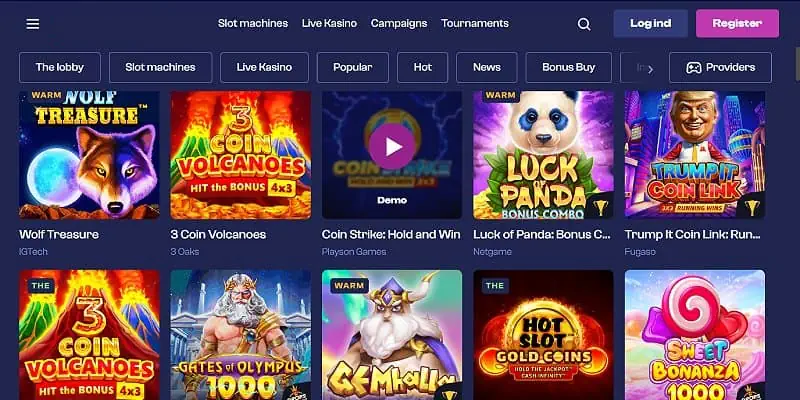
I compared toolchains I’ve used for automated slots platform delivery, RNG handling, and ops reliability. Here’s what mattered most in my tests across partners. I’d only recommend stacks that prove RNG evidence exists and that uptime is measured per node, not just “overall.”
Casino Technology Platform for iGaming Integrations and Game API Connectors
I’ve integrated iGaming platform game API integration stacks under tight deadlines, and the winning casino technology platform had predictable auth and audit trails. One setup I liked enforced JWT + request signing for every connector call, cutting dispute time. The rest was routing: webhooks, inventory sync, and clean error codes partners can debug.
White Label Casino vs White Label Slot Platform: What Partners Can Customize
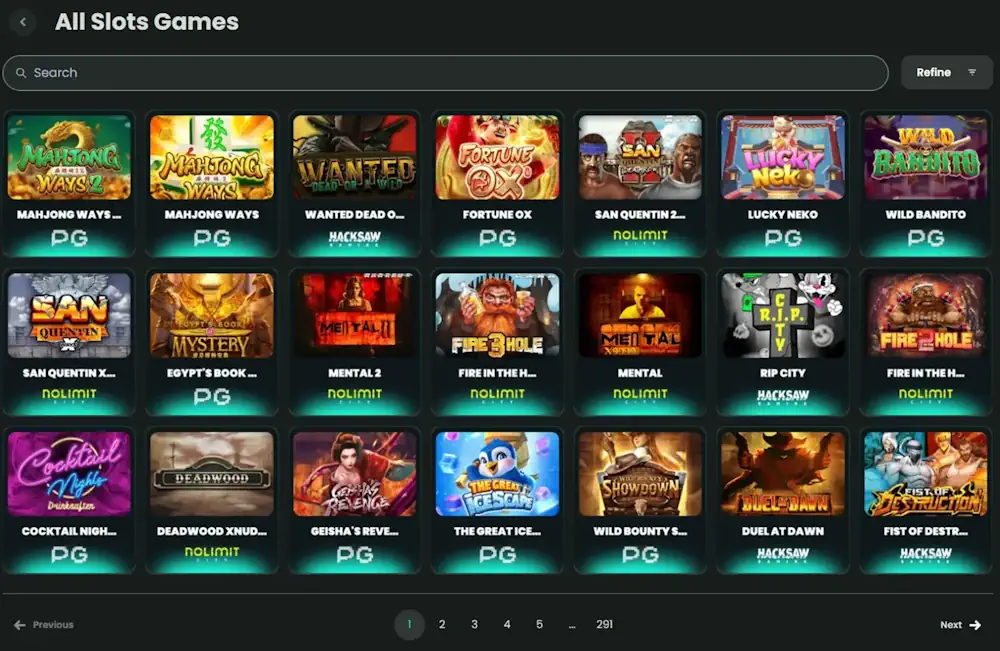
On white label casino projects, I learned the hard way: “white label” usually means theme and menus, not real ops control. Still, the gap is real between a white label slot platform and full iGaming white label builds, especially around wallet hooks and reporting. The one thing I push hard is configurable KYC flows so partners meet local rules without rebuilding.
“If you can’t change compliance screens without a dev sprint, it’s not customization—it’s a delay in disguise.”
Partner Casino Program Models: Revenue Share, Referral, and Turnkey iGaming
- Write a revenue-share schedule by tier; I used 70/30 then added +2% at 10k FTD.
- Set referral attribution windows: I prefer 30 days with last-click override rules.
- For turnkey iGaming, include launch SLA: I’ve demanded 5 business days to go live.
- Automate payouts monthly on settled net; no gross numbers for partners.
- Define chargeback rules: I require partner liability caps in writing.
In B2B casino platform deals, the model is where “partner” becomes real money. The biggest fix I made was settling on net revenue, so partners trusted the numbers instead of arguing screenshots. When we added a launch SLA and payout schedule, churn dropped fast.
Casino Supplier and Content Provider Workflow for Faster Game Onboarding
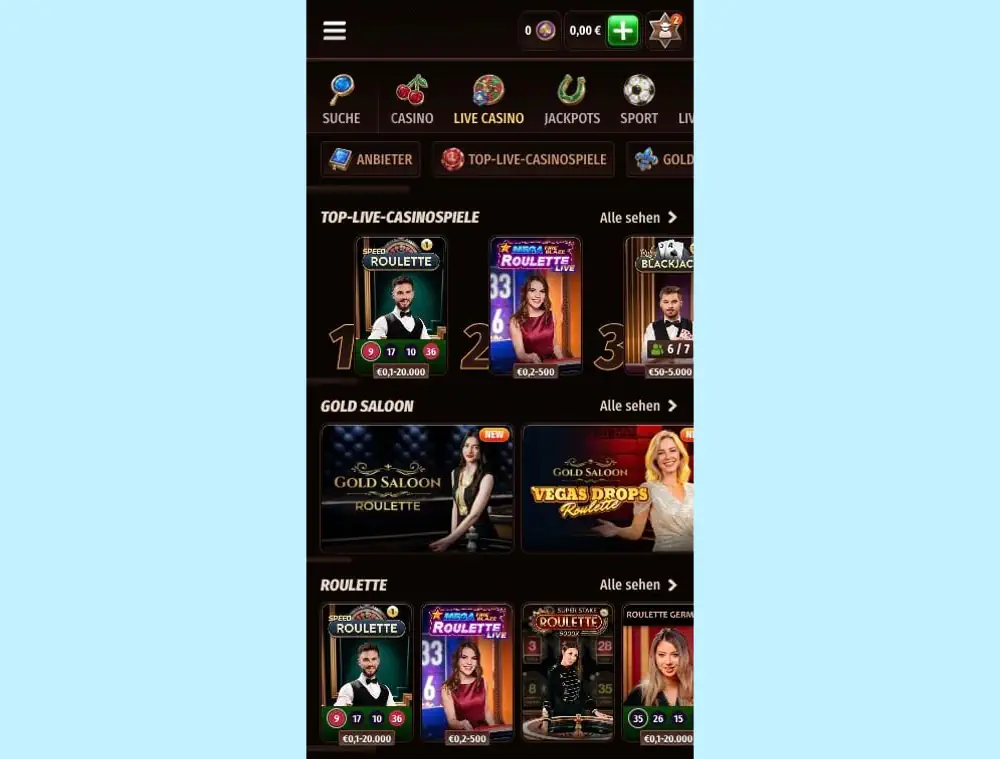
Speed matters when your slot game platform wants fresh titles without breaking licensing. I track each casino supplier handoff as a checklist item, not a vague “send assets” email. Below is the workflow I used with a casino content provider plus a casino game aggregator.
Real Money Casino Platform Requirements: KYC/AML, Payments, and Casino Integrations
When I launched a real money casino platform for partners, KYC/AML and payments were the real blockers, not the UI. The best stack I saw centralized sanctions checks and 3DS2 handling, so card failures didn’t become support tickets. Then I verified casino integrations with webhooks and idempotency keys from day one.
B2B Gaming Solutions Comparison: Casino Turnkey Platform vs Game Aggregator Stack
I’ve chosen between a casino turnkey platform and a game aggregator stack based on ops load, not hype. Turnkey wins when partners need speed to market; an aggregator wins when you want custom workflows and house rules. The deciding metric for me was time-to-launch in days, since every missed weekend kills momentum.
I start with monitoring plus provisioning, then move to game catalog sync. In my builds, parallelizing connector calls cuts onboarding delays fast. Use one aggregator mapping IDs to SKUs, and enforce RTP/odds metadata per game. I also log every call by partner ID for quick reconciliation. Run a short workflow: contract flags, metadata sync, then QA with game API tests on stage. I aim to complete acceptance checks within hours, not weeks. If they need menu/theme only, white label casino is enough. If they need tighter slot game platform control, a white label slot platform fits better. I compare time-to-launch and operational ownership. Turnkey wins for speed; an aggregator stack wins when you need custom workflows. KYC/AML and payment reliability. In my deployments, 3DS2 and webhook idempotency are the first fixes that prevent support spikes.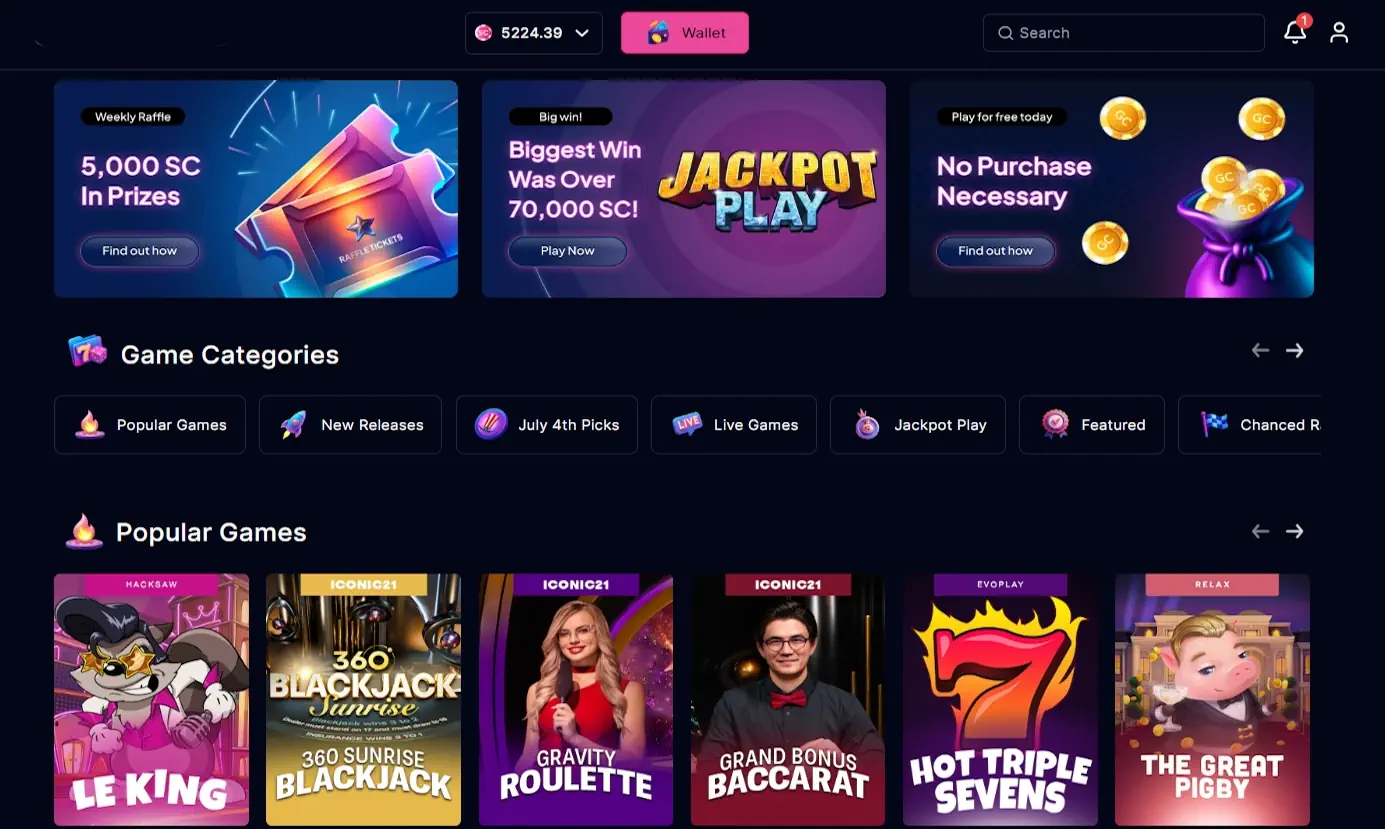
FAQ
Which layer should be automated first in a B2B casino platform?
How do you keep partner B2B casino games consistent across slots and live?
What’s the fastest way to onboard a new casino supplier?
When should partners choose white label casino versus a white label slot platform?
What determines whether turnkey iGaming beats a game aggregator stack?
Which real money casino platform requirement usually causes delays?