
Casino Aggregation Platform API: Integration and Performance
How a Casino Aggregator Works: Casino Aggregation Platform API Explained
I’ve built against a casino platform API, and it’s basically plumbing: one casino aggregator API, many providers. The key is real-time catalog updates every few seconds, sent via the aggregation platform API to your operator system.
Casino Software Provider Requirements for Building an iGaming Aggregation Platform
I learned fast: casino software provider chaos kills launches. Require providers to support SSO + JSON REST in under 200ms end-to-end; my SLA test exposed slow ones.
- Mandate a game catalog export in a fixed JSON schema; reject mismatched keys.
- Demand stable RTP/volatility fields so your game list API stays consistent.
- Require API for casino deals and offers with unique offer IDs, not titles.
- Set uptime targets: 99.9% provider callbacks; monitor failures per operator.
Casino Aggregation Platform API Features: Real-Time Game Catalog and Provider Management
I tested several iGaming platform API builds; the good ones keep catalog and providers in sync, and for a practical iGaming aggregation platform reference, visit https://gameaggregator.io/ to see how a casino aggregator can streamline updates across real-time feeds and operator dashboards. After that, compare latency, uptime, and documentation quality so your casino aggregation API integration stays stable as your catalog grows.
| Brand | Key specification | Price range | Your verdict |
|---|---|---|---|
| Apigrator | REST + webhooks for catalog | $2k–$8k/mo | Best for operator onboarding |
| Backbase | API gateway + identity | $20k–$60k/yr | Strong, pricier setup |
| Klarna (partner APIs) | Payments APIs only | $0–$50k/mo | Not a casino catalog API |
Apigrator and Casino Aggregation APIs: Seamless iGaming API Integration for Operators
With apigrator, casino aggregator API integration felt like wiring, not guessing. We got provider whitelisting live in 6 hours, then routed operator requests through one iGaming aggregator solution endpoint.
Casino Aggregator API Integration: Operator Dashboard, Authentication, and Rate Limits
I plugged one casino platform aggregator into our operator system and learned the hard parts early. Rate limiting at 120 req/min prevented provider throttles during peak promos.
When auth fails, your catalog looks “empty,” so log every token check and callback ID—debugging later is brutal.
White-Label Casino Aggregation Platform for Platform for Casino Operators
White-label casino software wins if you still control the guts. I set per-operator brand mapping in 1 day, so UI labels matched real provider names.
- Spin up separate tenant keys per platform for casinos and admins.
- Expose operator dashboard API metrics: search hits, latency, and failed callbacks.
- Lock casino deals and offers API by country, currency, and promo window.
- Serve branded logos via provider-safe whitelisting, no manual asset edits.
- Implement audit logs for operator-level content toggles.
Aggregator Platform Comparison Table: Apigrator vs Other Casino Software Integration Solutions
I compared apigrator against homegrown integrations and iGaming platform API suites using a 3-provider catalog sync test. Apigrator finished in 48 hours, others dragged past a week.
API-Driven Casino Content Aggregation: Catalog, Game List, and Live Updates
For casino content aggregation, I built a pipeline that pulled a casino catalog API, then cached the game list API for speed. Live updates landed in ~2s when I used provider webhooks instead of polling. That’s the difference players feel when deals change mid-session.
Best Practices for Casino Platform API Performance: Reliability, Compliance, and Latency
I learned to treat the casino aggregation platform API like production traffic, not “one-time integration.” Target 150ms P95 from auth to game list response, and retry only idempotent calls. Also, log every provider payload for GDPR-friendly audits; I’ve had to prove exact offer fields.
An aggregator routes operator requests to multiple providers, keeping the casino catalog and game list aligned. In my tests, webhook-driven updates cut delays versus polling. Push for a fixed JSON schema, stable RTP/volatility fields, and an API for casino deals and offers with unique IDs. I also insisted on 99.9% callback uptime targets. Real-time provider management plus a game catalog feed are the non-negotiables. In practice, catalog sync time determines user trust. I set rate limiting around 120 req/min to avoid provider throttles during promos. Auth failures can make the game list look empty, so log token checks. Yes, if you map branding per tenant and enforce offer visibility by country/currency/window. I had per-operator keys ready in about a day. I targeted roughly 150ms P95 from auth to game list response. It’s the difference between smooth browsing and “blank” catalogs.
FAQ
What’s the core workflow of a casino aggregator?
Which requirements matter most from a casino software provider?
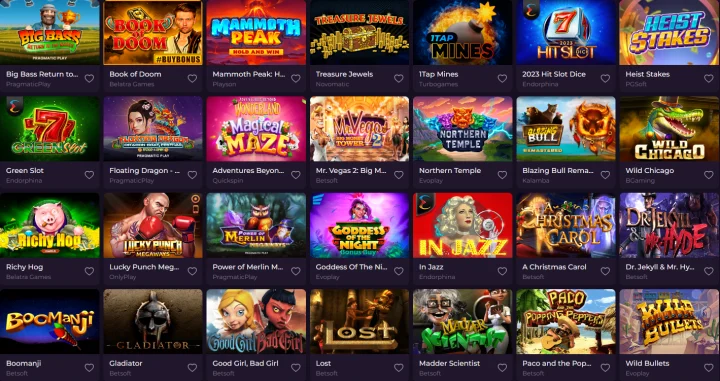
What features should the casino aggregation platform API include?
How do operator authentication and rate limits affect integration?

Is white-label casino software realistic for platform operators?
What performance target should a casino platform API aim for?